Buying a home? Let’s clear up the legal confusion.
Whether you’re a first-time buyer or moving into a new build, the conveyancing process can feel overwhelming. Between legal checks, contracts, and forms you’ve never heard of before, it’s easy to feel lost.
But legal doesn’t have to mean confusing.
In this guide, we’re answering the 10 most frequently asked conveyancing questions our teams receive, clearly and simply, so you can feel more confident about your move.
1. Why are there extra fees after I got a quote?
Your initial conveyancing quote is based on the information available at the start.
However, if your solicitor uncovers unexpected complexities, like issues with the legal title, leasehold clauses, or missing documents, additional legal work may be needed.
Good to know: Any additional fees should always be explained by your case handler and clearly outlined in your Terms of Business.
2. How long will the conveyancing process take?
On average, conveyancing takes 8–12 weeks in the UK.
But that can vary based on:
- Whether you’re buying a freehold or leasehold
- If you’re in a chain
- Delays from other parties (e.g. mortgage lender, surveyors)
Your solicitor should keep you updated and work to complete as efficiently as possible.
🔗 Learn more about our Residential Conveyancing services
3. Why do I need to verify my funds again if my broker already has?
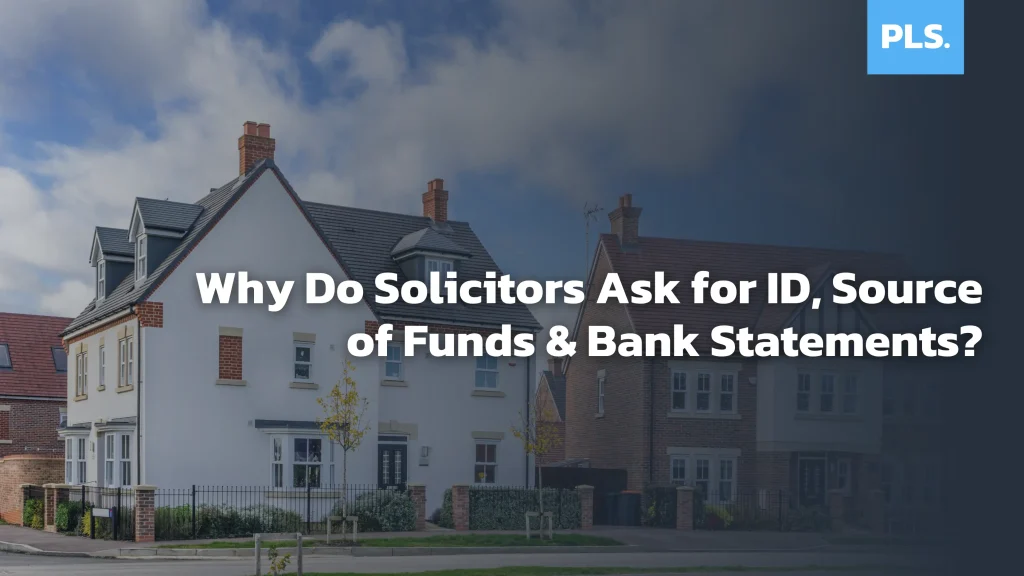
Even if your mortgage broker or lender has completed checks, we are legally required to carry out our own source of funds and anti-money laundering (AML) checks.
This includes confirming where the money is coming from (e.g. savings, gift, inheritance) and that it genuinely belongs to you.
It’s a legal safeguard to protect all parties involved.
4. What happens to my deposit on exchange?
For non-newbuild property exchange deposit (typically 10% of the purchase price) is held by the seller’s solicitor until completion.
In a chain, it may be passed along the line, but only with your agreement.
For new build properties, the seller’s solicitors can release your deposit to the seller, who is then free to use the money however they see fit. The new build warranty usually includes deposit protection up to 10% of the purchase price. If your deposit isn’t covered by a warranty or bond, you may be asked to sign a consent form before it’s transferred.
🔗 Explore our New Build Conveyancing service
5. Why do I need Anti-Money Laundering (AML) checks?
All UK law firms are legally required to complete AML checks.
This means verifying your identity and assessing any potential risk of fraud or money laundering.
It’s not just a box-ticking exercise these checks help keep property transactions secure.
6. What is ‘exchange on notice’?
This term is common in new build conveyancing.
It means you’ll exchange contracts before the property is ready, and then wait for a formal notice (typically 10–14 days) from the developer confirming the completion date.
This process gives developers flexibility in finishing construction while ensuring you’re contractually committed.
7. Can I use my Help to Buy or LISA for the exchange deposit?
The Lifetime ISA can be used towards the deposit provided the property purchase is completed within 90 days of your conveyancer receiving the funds.
The Help to Buy ISA can only be used at completion, not exchange.
Also, you can only access the money you’ve saved, not the government bonus, until the purchase is finalised.
8. Why does the contract mention a 10% deposit when I’m paying more?
This is standard legal language.
The contract typically refers to a minimum 10% deposit, even if you’re paying more (e.g. 15% or 20%).
Nothing is wrong. it simply means that at least 10% must be paid at exchange.
9. What is a completion statement and why does it change?
Your completion statement is a financial summary of the purchase.
It includes:
- The property price
- Fees and disbursements
- Payments received
- Final balance due
It can change if late-stage costs are added, if apportionments of service charge or ground rent are required, or developer incentives (like cashbacks or discounts) are applied.
10. Why do I need to sign an SDLT1 form if I’m not paying Stamp Duty?
Even if you’re exempt from Stamp Duty (due to reliefs or thresholds), your solicitor still needs to submit an SDLT1 form to HMRC.
Your signature confirms the details are accurate and complies with HMRC regulations.
In Summary…
Legal questions are part of the process, but they don’t have to slow you down or leave you confused.
With the right conveyancing support, you’ll always know what’s happening and why.
📞 Still unsure? Book a free call with our conveyancing team.
We’re here to answer your questions, whether you’re buying, selling, or just planning ahead.